Class Track Systems for Martial Arts School Management
Discover how class track systems help martial arts academies organize students by skill level, optimize instruction, and boost retention rates.
- By
- RankPill
- Published
- August 5, 2026
- Reading time
- 12 min read
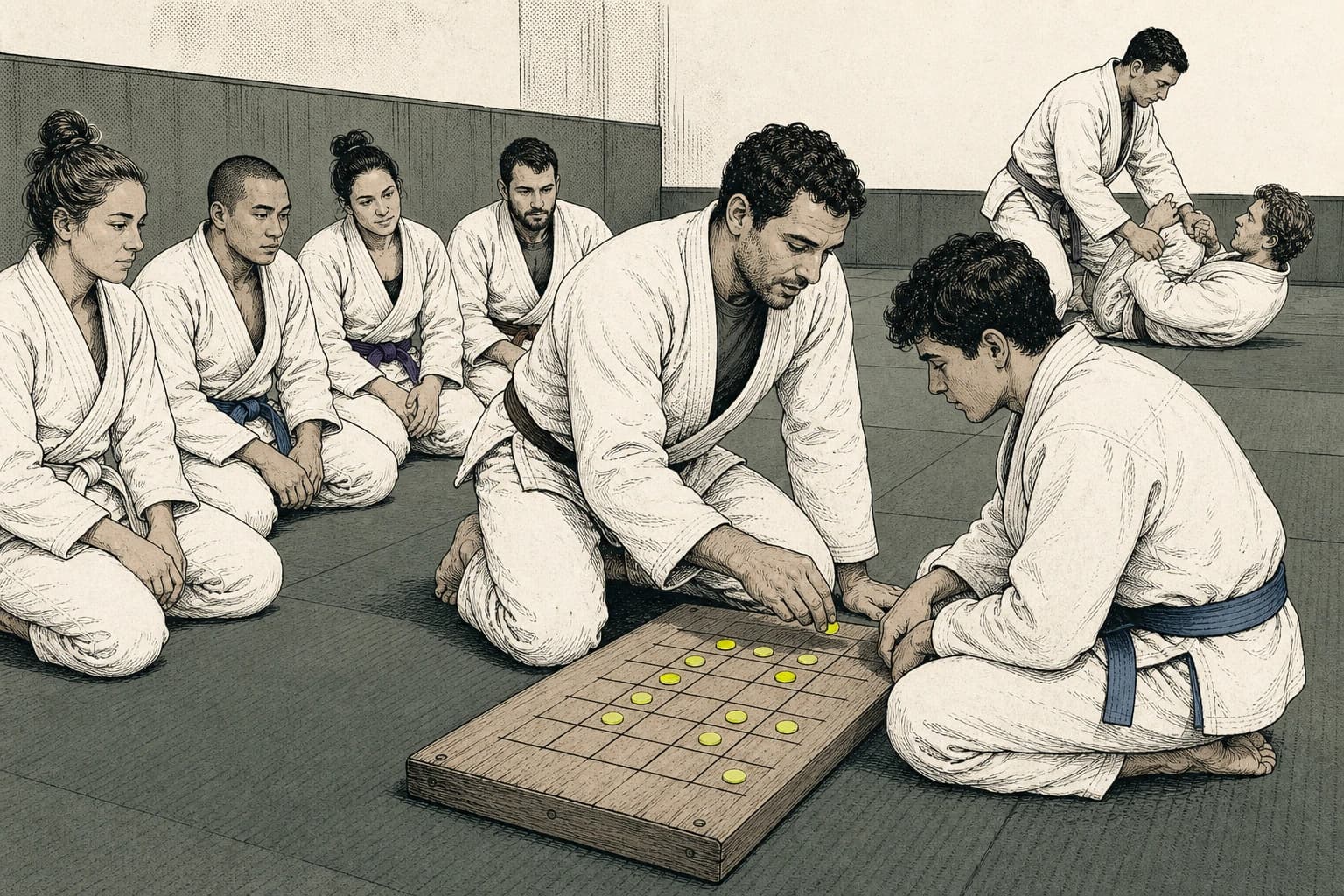
Managing a successful martial arts academy requires more than exceptional instruction. It demands systematic organization that ensures every student receives appropriate training for their skill level while maintaining operational efficiency. A class track system provides the structural framework that separates beginners from advanced practitioners, creating optimized learning environments where students progress at appropriate paces. This organizational approach has become essential for academies seeking to scale their operations while maintaining instructional quality and student satisfaction.
Understanding Class Track Fundamentals
A class track represents a structured pathway that groups students based on skill level, experience, or training objectives. Rather than placing all students into generic classes, this system creates distinct categories that align instruction with capability.
Core Components of Effective Class Tracks
The foundation of any class track system rests on clearly defined parameters. Academies typically organize tracks around belt rank, age group, experience level, or specific training goals. Belt-based tracks remain the most common approach, separating white belts from colored belts and advanced students. Age-based tracks distinguish children, teens, and adults, recognizing that different demographics require adapted instruction methods.
Implementation requires several critical elements:
- Clear entry and exit criteria for each track
- Documented skill requirements for progression
- Instructor assignments matched to track complexity
- Scheduling that prevents overlap conflicts
- Communication systems that inform students of their placement
The physical structure matters considerably. Some academies run simultaneous tracks in separate training areas, while others schedule different tracks at distinct times throughout the day. Each approach offers unique advantages depending on facility size and student population.

Benefits for Student Development
Students thrive when instruction matches their current abilities. A properly implemented class track ensures beginners receive fundamental instruction without feeling intimidated by advanced techniques. Conversely, experienced students avoid frustration from repetitive basic instruction.
Skill acquisition accelerates when peers share similar capabilities. Students learn from observing classmates at comparable levels, creating collaborative learning environments. This peer-matching effect contributes significantly to retention rates, as students feel appropriately challenged without becoming overwhelmed.
| Track Level | Focus Areas | Typical Duration | Key Milestones |
|---|---|---|---|
| Beginner | Basic stances, fundamental movements, etiquette | 3-6 months | First belt promotion, basic combinations |
| Intermediate | Technique refinement, sparring introduction, conditioning | 6-18 months | Multiple belt promotions, competition readiness |
| Advanced | Complex techniques, teaching ability, competition | 18+ months | Black belt preparation, instructor certification |
Implementing Class Track Systems in Different Martial Arts Disciplines
Each martial arts discipline presents unique considerations for class track implementation. The systematic approach varies between striking arts, grappling styles, and hybrid systems.
Striking Arts Class Organization
For disciplines like karate and muay thai, class track systems often emphasize technique precision and power development. Beginning tracks focus extensively on proper form for basic strikes, stances, and footwork. Students spend considerable time on bag work and pad drills before progressing to controlled sparring scenarios.
Intermediate tracks introduce combination work, defensive techniques, and conditional sparring. The class track at this level prepares students for competition participation while refining techniques learned in beginner sessions. Advanced tracks emphasize fight strategy, advanced combinations, and often include assistant teaching responsibilities.
Grappling Arts Progression
Brazilian jiu-jitsu and judo academies structure their class track systems around positional control and submission proficiency. White belt tracks concentrate on fundamental positions, basic escapes, and simple submissions. The learning curve in grappling arts often appears steeper initially, making proper class track placement crucial for retention.
Blue and purple belt tracks expand the technical library significantly. Students explore complex guard systems, advanced submissions, and transition sequences. These intermediate class track levels often see the highest student engagement, as practitioners develop personal game styles.
- Position-based drilling sessions for foundational understanding
- Live rolling segments matched by experience level
- Technique workshops focusing on specific positions or submissions
- Competition preparation classes for tournament-bound students
Brown and black belt tracks shift toward refinement, teaching methodology, and competition strategy. Many academies integrate these advanced students into beginner classes as demonstration partners and assistant instructors, creating mentorship opportunities within the class track structure.
Technology Integration for Class Track Management
Modern martial arts academies leverage software platforms to manage class track systems efficiently. Manual tracking through spreadsheets or paper records creates administrative burdens that consume valuable time and increase error likelihood.
Automated Attendance and Progress Tracking
Digital systems record attendance automatically, providing data that informs class track placement decisions. When a student consistently attends beginner classes and demonstrates required competencies, the system flags them for advancement review. This automation eliminates the guesswork from progression timing.
Progress tracking features document skill acquisition across the class track journey. Instructors record technique proficiency, sparring performance, and knowledge assessments within the platform. Students access their progress reports, viewing exactly which requirements remain for advancement to the next track level.
Comprehensive management platforms like MatSync centralize class track administration alongside billing, scheduling, and communication functions. This integration ensures class track assignments synchronize with class registrations, preventing students from enrolling in inappropriate sessions.

Business automation extends beyond simple record-keeping. AI-powered solutions analyze attendance patterns, progression rates, and class performance data to identify students at risk of dropping out. Early intervention based on these insights preserves revenue and supports student success within the class track framework.
Scheduling Optimization Through Data Analysis
Class track scheduling requires balancing instructor availability, facility capacity, and student demand. Analytics reveal which tracks experience overcrowding and which remain underutilized. Academies adjust schedules based on concrete data rather than assumptions.
Peak attendance times vary by track level. Beginner classes often fill during early evening slots when new students finish work or school. Advanced tracks may thrive during midday sessions when serious practitioners with flexible schedules train. Data-driven scheduling maximizes class utilization across all track levels.
Revenue Optimization Through Strategic Class Track Design
Class track systems directly impact academy profitability when structured strategically. Different pricing tiers for various track levels create revenue opportunities while incentivizing progression.
Membership Tier Structures
Many successful academies offer tiered memberships aligned with class track access:
- Basic Membership: Access to beginner and fundamental classes only
- Standard Membership: Full access to beginner and intermediate class tracks
- Premium Membership: Unlimited access to all class tracks including advanced and specialty sessions
- Elite Membership: Complete access plus private lessons and competition coaching
This structure encourages students to upgrade memberships as they advance through class tracks. The progression pathway naturally leads toward higher-value membership levels, increasing lifetime customer value.
Specialty Track Premium Offerings
Beyond standard belt-progression tracks, academies create premium class track options targeting specific goals. Competition preparation tracks, self-defense focused sessions, or fitness-oriented classes serve distinct student segments. These specialty tracks command premium pricing due to their focused outcomes and often limited enrollment.
Equipment needs vary by class track level, creating partnership opportunities. Sideline Sport Supply provides academies with training gear appropriate for different skill levels, from beginner protective equipment to competition-grade apparatus for advanced tracks. Recommending proper equipment by class track level enhances training quality while establishing the academy as a comprehensive resource.
| Revenue Strategy | Implementation | Expected Impact |
|---|---|---|
| Tiered Pricing | Create 3-4 membership levels based on track access | 15-25% revenue increase |
| Specialty Tracks | Offer premium focused programs | 10-20% additional revenue |
| Private Lessons | Package advanced track instruction | 20-30% margin improvement |
| Equipment Sales | Recommend track-appropriate gear | 5-10% supplementary income |
Instructor Assignment and Development Within Class Tracks
Matching instructor expertise with class track requirements ensures quality instruction across all levels. Not every black belt possesses the patience required for beginner instruction, nor does every instructor excel at coaching advanced competition techniques.
Skill-Based Instructor Placement
Effective class track management includes deliberate instructor assignments. Newer instructors often begin teaching beginner tracks where technical depth matters less than clear communication and encouragement. This assignment allows instructor development while ensuring beginners receive appropriate guidance.
Experienced instructors handle intermediate tracks where students ask complex technical questions and require detailed explanations. These classes demand deeper knowledge and ability to demonstrate subtle technique variations. Advanced class tracks typically feature head instructors or specialized coaches with competition experience and comprehensive technical understanding.
Fitness-oriented programs like those developed by The Father Forge demonstrate how specialized coaching approaches enhance results. Martial arts academies applying similar principles create instructor development tracks that parallel student progression systems, ensuring teaching quality scales with class track complexity.
Teaching Rotation Benefits
Some academies rotate instructors through different class tracks periodically. This approach prevents instructor burnout, exposes students to varied teaching styles, and develops well-rounded coaching abilities. Rotation schedules typically span quarters or semesters, providing consistency while maintaining freshness.
Documentation becomes essential in rotation systems. Each class track maintains detailed curriculum guides ensuring continuity regardless of instructor changes. Students progress through standardized requirements rather than instructor-specific expectations, maintaining class track integrity across teaching transitions.
Student Retention Through Proper Class Track Placement
Retention rates directly correlate with appropriate class track assignment. Students who feel overwhelmed drop out quickly, while those insufficiently challenged lose interest and disengage.
Assessment Protocols for Accurate Placement
Initial assessments determine proper class track entry points for new students. While most beginners start in foundational tracks, students with prior martial arts experience require evaluation to prevent misplacement. Brief assessment sessions test fundamental movements, fitness levels, and existing knowledge.
Ongoing assessments monitor student readiness for class track advancement. Formal belt tests serve this purpose in traditional systems, but supplementary evaluations between promotions provide additional data points. Instructors observe rolling or sparring performance, technique execution quality, and knowledge comprehension throughout regular classes.
Transparent progression criteria eliminate confusion about class track advancement requirements. Students access checklists detailing specific techniques, knowledge areas, and performance standards necessary for next-level track access. This clarity motivates consistent training while preventing premature advancement requests.

Addressing Plateaus and Regression
Student progression rarely follows linear paths. Plateaus occur when advancement slows despite consistent effort. Proper class track systems recognize these patterns and provide intervention strategies. Students experiencing plateaus may benefit from temporary specialty workshop attendance, private instruction supplements, or peer mentorship within their current track.
Regression happens when students miss extended training periods due to injury, travel, or life circumstances. Class track systems should accommodate graceful re-entry at appropriate levels rather than forcing students to resume at their previous track placement. Brief refresher assessments determine suitable restart points, acknowledging skill degradation during absence periods.
Communication Strategies for Class Track Systems
Students and parents require clear understanding of class track structures, advancement criteria, and placement rationale. Transparent communication prevents confusion and manages expectations effectively.
Onboarding Education
New student orientations introduce class track concepts during initial academy visits. Staff explain the progression pathway, highlighting how students advance through increasing skill levels. Visual diagrams displaying track structures and typical timelines help families understand the long-term journey.
Written materials reinforce verbal explanations. Welcome packets include class track descriptions, skill requirement lists, and advancement timelines. Digital versions accessible through academy apps or websites provide ongoing reference resources.
Progress Communication Touchpoints
Regular progress updates keep students informed about their class track status. Monthly or quarterly reports detail skills mastered, areas needing improvement, and estimated timelines until next advancement. These communications celebrate achievements while maintaining forward momentum toward higher tracks.
Parent communication proves especially important for youth programs. Families investing in children's martial arts training appreciate detailed progress reports demonstrating skill development. Class track advancement becomes a tangible milestone families celebrate together, strengthening emotional connections to the academy.
Automated communication through management platforms ensures consistent touchpoints without overwhelming instructor schedules. Pre-written templates customized with individual student data maintain personal touches while scaling efficiently across large student populations.
Adapting Class Track Systems for Different Academy Sizes
Implementation strategies vary significantly between small single-instructor academies and large multi-location organizations. The fundamental class track principles remain constant, but execution methods adapt to operational realities.
Small academies with limited class offerings might operate condensed track systems. Rather than separate classes for each belt level, combined beginner, intermediate, and advanced sessions run simultaneously with differentiated instruction. Instructors assign track-appropriate drills while managing multiple groups within single class periods.
Mid-sized academies typically support dedicated classes for major track divisions. Separate beginner and advanced sessions run at different times, with intermediate students choosing appropriate sessions based on specific technique focus. This structure provides specialization without requiring extensive facility space or instructor teams.
Large academies implement comprehensive class track systems with multiple sessions per track level. Peak demand times feature several simultaneous beginner classes, each capped at optimal sizes for instruction quality. Advanced tracks offer specialized focus areas like competition preparation, self-defense applications, or traditional forms practice.
Implementing an effective class track system transforms martial arts academy operations by matching instruction to student capabilities, optimizing resource allocation, and creating clear progression pathways that drive retention. Whether managing a small neighborhood dojo or a multi-location organization, structured class tracks ensure every student receives appropriate training while maximizing operational efficiency. MatSync provides the comprehensive management tools martial arts academies need to implement sophisticated class track systems seamlessly, automating attendance tracking, progress monitoring, and student communications so instructors can focus on what matters most: exceptional teaching and student development.