How to Manage Members in Your Martial Arts Academy
Learn effective strategies to manage members in your martial arts academy. Streamline onboarding, track progress, and build stronger communities.
- By
- RankPill
- Published
- May 14, 2026
- Reading time
- 12 min read

Managing a martial arts academy requires balancing multiple responsibilities, from tracking student progress to handling billing and maintaining strong communication. The ability to effectively manage members determines whether your academy operates smoothly or struggles with administrative chaos. For martial arts school owners, mastering member management processes creates the foundation for sustainable growth, improved student retention, and a thriving training community.
Understanding Member Management in Martial Arts Academies
Member management extends far beyond maintaining a simple list of students. It encompasses every interaction point between your academy and your students, from their initial inquiry through years of training progression. When you manage members effectively, you create systems that handle enrollment, payment processing, attendance tracking, belt promotions, and ongoing communication seamlessly.
The complexity increases as your academy grows. A school with 50 students can manage member information through basic spreadsheets, but once you reach 100, 200, or more students, manual processes become unsustainable. You need structured systems that scale alongside your growth while maintaining the personal touch that defines martial arts instruction.
Core Components of Member Management
Effective member management systems include several critical elements that work together:
- Student profiles containing contact information, emergency contacts, and medical notes
- Attendance records tracking class participation and training frequency
- Progress tracking documenting belt ranks, techniques mastered, and testing dates
- Billing information managing payment methods, membership tiers, and outstanding balances
- Communication logs recording interactions, concerns, and administrative notes

Each component requires regular attention and updates. Similar to how organizations use comprehensive member management systems to handle team coordination, martial arts academies need integrated solutions that connect all these data points into a coherent operational framework.
Building an Efficient Member Onboarding Process
First impressions shape student experiences and retention rates. Your onboarding process sets expectations and establishes operational patterns that last throughout the student relationship. When you manage members from their first contact, you create consistency that builds trust and professionalism.
A structured onboarding workflow should capture essential information while minimizing friction. New students want to start training quickly, not fill out endless paperwork. Digital registration forms that students can complete before their first class accelerate the process and reduce administrative burden.
Essential Onboarding Steps
Your onboarding sequence should follow a logical progression:
- Initial contact and trial class scheduling where prospects express interest and book their first session
- Trial class completion allowing prospects to experience your instruction and facility
- Membership enrollment where interested students select their program and payment plan
- Account creation establishing their member profile in your management system
- Orientation completion covering academy rules, expectations, and training protocols
- First regular class attendance marking the official start of their training journey
This systematic approach ensures nothing falls through the cracks while maintaining momentum toward active membership. Many successful academies, including those specializing in Brazilian Jiu-Jitsu, use automated workflows that trigger specific communications and tasks based on where prospects are in the enrollment funnel.
Organizing Member Information for Maximum Efficiency
Data organization directly impacts how efficiently you can manage members. Scattered information across multiple spreadsheets, paper forms, and email threads creates confusion and wastes time. Centralizing member data into a single source of truth enables quick access and informed decision-making.
Consider implementing a tagging or categorization system that groups members by relevant criteria. Tags for program type, skill level, attendance patterns, and payment status allow you to segment your roster and communicate with specific groups effectively.
| Category | Example Tags | Use Case |
|---|---|---|
| Program Type | Kids BJJ, Adult Karate, Competition Team | Program-specific announcements |
| Skill Level | White Belt, Intermediate, Advanced | Appropriate class placement |
| Membership Status | Active, On Hold, Past Due | Billing and retention efforts |
| Attendance Pattern | Regular, Occasional, At Risk | Engagement initiatives |
When managing member information, platforms like GitBook's approach to member organization demonstrate the value of role-based access and structured permissions. Your instructors may need different access levels than front desk staff or billing administrators.
Tracking Attendance and Student Progress
Attendance tracking serves multiple purposes beyond simple record-keeping. Attendance patterns reveal student engagement levels, help identify at-risk members, and provide data for curriculum planning. Schools offering karate programs often use attendance minimums as prerequisites for belt testing, making accurate tracking essential.
Modern attendance systems should eliminate manual check-ins that waste instructor time. Digital solutions using app-based check-ins, RFID cards, or quick-scan systems allow students to record their arrival independently while giving instructors immediate access to class rosters.
Progress Tracking Beyond Belt Ranks
While belt promotions represent major milestones, comprehensive progress tracking documents the smaller achievements between ranks. Recording specific techniques mastered, competition results, and personal goals creates a detailed training history that motivates students and informs instruction.
- Technique checklists organized by belt curriculum requirements
- Competition performance records including wins, losses, and divisions
- Personal achievement notes documenting breakthrough moments
- Injury history and accommodations ensuring safe training modifications
- Goal tracking connecting student aspirations with training plans
This detailed tracking becomes particularly valuable for academies teaching multiple disciplines. A student training in both Muay Thai and MMA programs needs separate progress tracking for each, while maintaining an integrated view of their overall development.

Streamlining Billing and Payment Management
Financial management represents one of the most critical aspects when you manage members. Inconsistent billing creates cash flow problems, while complicated payment processes frustrate students and increase cancellations. Automated billing systems reduce administrative overhead and improve payment reliability.
Successful billing management requires clear communication about payment expectations from the enrollment stage forward. Students should understand their payment schedule, accepted payment methods, and policies regarding late payments or failed transactions before signing up.
Automating Recurring Payments
Monthly membership models work best with automated recurring billing. Students provide payment information once, and charges process automatically on scheduled dates. This approach benefits both parties by ensuring consistent revenue for the academy and eliminating the need for students to remember monthly payments.
However, automation requires proper notification systems. Students should receive reminders before charges process and immediate notification afterward. Failed payment alerts should trigger automated follow-up sequences that give students multiple opportunities to update payment information before membership suspension.
Resources like HighLevel's member management guide demonstrate how integrated platforms handle member permissions, billing access, and communication workflows within unified systems. This integration prevents the data silos that complicate member administration.
Creating Effective Communication Workflows
Regular communication keeps members engaged and informed while reducing misunderstandings. When you manage members proactively, you address concerns before they escalate and maintain strong relationships that drive retention. Communication workflows should include both automated sequences and personalized touchpoints.
Different member segments require different communication strategies. New students need frequent check-ins and encouragement during their first months. Long-term members appreciate updates about advanced training opportunities and leadership roles. At-risk members showing declining attendance benefit from personal outreach addressing potential obstacles.
Multi-Channel Communication Strategies
Modern communication extends beyond email to include SMS, app notifications, social media, and in-person conversations. Each channel serves specific purposes:
- Email for detailed announcements, newsletters, and administrative information
- SMS for time-sensitive updates, schedule changes, and appointment reminders
- App notifications for class check-in confirmations and personalized achievements
- Social media for community building, event promotion, and public recognition
- In-person conversations for sensitive topics, retention discussions, and feedback collection
Balancing automated and personal communication maintains efficiency while preserving the human connection essential to martial arts instruction. Schools teaching judo or boxing often have distinct community cultures that influence optimal communication approaches.
Managing Member Roles and Permissions
As your academy grows, you'll need to manage members with different roles beyond students. Instructors, assistant instructors, administrative staff, and parent accounts each require appropriate access levels to your management systems. Following best practices for managing organization memberships helps establish clear permission hierarchies.
Role-based access prevents security issues while ensuring team members can accomplish their responsibilities. Your lead instructor needs different system access than your front desk staff, while parent accounts should only view information about their own children.
| Role Type | Typical Access Needs | Restrictions |
|---|---|---|
| Owner/Head Instructor | Full system access including billing and sensitive data | None |
| Instructors | Student profiles, attendance, progress tracking | No billing access |
| Front Desk Staff | Check-in system, schedule viewing, basic member info | No progress editing |
| Parent Accounts | Own child's information, billing, schedule | Cannot view other families |
Platforms supporting enterprise member management provide granular permission controls that adapt to organizational complexity. As your academy adds locations or programs, these controls become increasingly important for maintaining operational security.
Handling Member Status Changes and Transitions
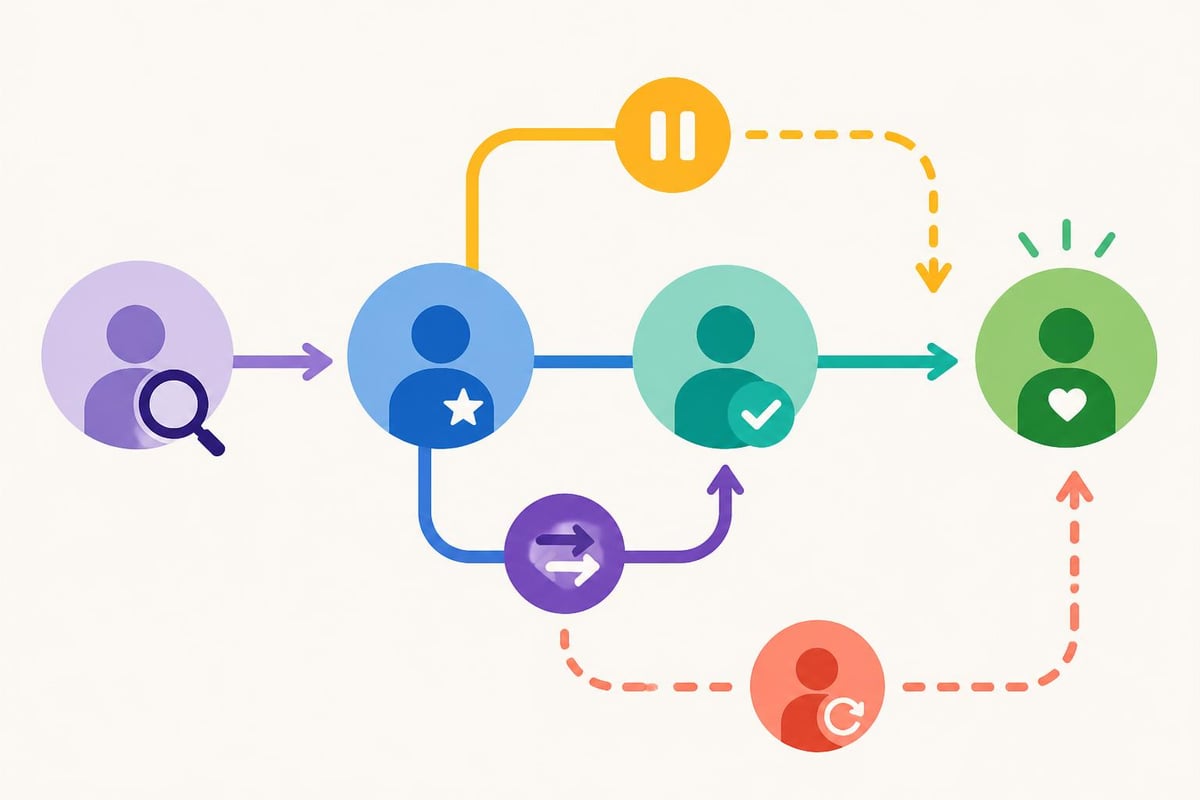
Student circumstances change, requiring flexible systems to manage members through various status transitions. Students go on vacation holds, experience injuries requiring temporary breaks, graduate to different programs, or unfortunately decide to leave your academy. Each transition needs clear processes that maintain data integrity while respecting student situations.
Hold policies should balance business needs with student retention. Allowing reasonable holds for vacations, injuries, or life events builds goodwill and prevents cancellations. However, unlimited or poorly tracked holds create billing complications and roster confusion.
Processing Membership Cancellations
When students decide to leave, the exit process impacts your academy's reputation and potential for future re-enrollment. Exit interviews or surveys gather valuable feedback about their experience while leaving the door open for return. Documenting cancellation reasons helps identify patterns that inform retention strategies.
Former member records should remain accessible but clearly marked as inactive. These records prove valuable when students return months or years later, allowing you to resume their training history rather than starting fresh. Similar to how platforms handle group membership management, martial arts academies benefit from maintaining comprehensive member lifecycle records.
Leveraging Data for Retention and Growth
The member information you collect becomes powerful when analyzed for actionable insights. Attendance trends reveal optimal class times. Belt promotion timelines help set realistic testing schedules. Cancellation patterns highlight retention opportunities. When you manage members strategically, you transform raw data into growth strategies.
Monthly reports should track key performance indicators that directly impact academy health. Active member count, new enrollments, cancellations, average attendance rates, and revenue per member provide essential metrics for informed decision-making. Comparing current performance against historical trends identifies positive momentum or concerning declines requiring intervention.
Identifying At-Risk Members Early
Predictive analysis helps identify members likely to cancel before they submit notice. Warning signs include declining attendance, missed payments, reduced engagement with communications, and negative feedback. Early identification enables proactive retention efforts when intervention still proves effective.
Automated alerts can notify instructors when student attendance drops below their normal pattern. Personal check-ins addressing potential obstacles often resolve issues before students decide to leave. This proactive approach particularly benefits specialized programs like kickboxing where maintaining consistent training rhythms proves essential for skill development.
Implementing Member Management Technology Solutions
Choosing appropriate technology determines how effectively you can manage members at scale. Comprehensive martial arts management platforms integrate all necessary functions into unified systems that eliminate data silos and redundant data entry. These platforms should handle registration, billing, attendance, progress tracking, and communications within a single interface.
When evaluating management software, prioritize solutions built specifically for martial arts operations. Generic membership platforms lack specialized features like belt tracking, testing management, and martial arts-specific reporting. Industry-specific solutions understand the unique workflows and requirements of academy operations.
Essential features for martial arts member management include:
- Student profiles with customizable fields for belt ranks, disciplines, and training history
- Automated billing supporting multiple membership types and payment schedules
- Attendance tracking with mobile apps, kiosk check-ins, or RFID integration
- Progress management documenting techniques, testing dates, and promotion history
- Parent portals allowing families to manage multiple student accounts
- Communication tools for keeping members and parents informed
- Reporting dashboards visualizing key metrics and operational trends
The MatSync platform covers student profiles, automated billing, in-app attendance (no kiosk or RFID), belt progress, parent accounts and basic reporting for martial arts academies, so school owners can manage members efficiently while focusing energy on instruction and community building rather than administrative tasks.
Training Staff on Member Management Protocols
Technology alone doesn't ensure effective member management. Your team needs proper training on established protocols, system usage, and customer service standards. Inconsistent application of policies creates confusion and undermines operational efficiency. Staff training should cover both technical skills and interpersonal aspects of member interactions.
Create standard operating procedures documenting exactly how to handle common scenarios. New member enrollment, payment processing, attendance check-in, status changes, and cancellation processing should follow consistent steps regardless of which staff member handles the transaction. Written procedures provide reference materials that ensure accuracy and consistency.
Regular staff meetings should review member management performance, address challenges, and share successful strategies. Front desk staff often identify operational friction points that owners might miss. Instructors notice student engagement patterns that inform retention efforts. Cross-functional communication ensures everyone contributes to improved member experiences.
Effectively managing your martial arts academy's members requires integrated systems, clear processes, and consistent execution across all operational areas. From initial enrollment through years of training progression, every touchpoint shapes student experiences and determines retention success. MatSync provides martial arts academies with comprehensive tools to automate billing, track attendance and progress, and streamline member management, allowing you to focus on what matters most-delivering exceptional martial arts instruction that transforms students' lives.