Features Management: A Complete Guide for 2026
Learn how features management helps martial arts academies control software releases, test new capabilities, and deliver better student experiences.
- By
- RankPill
- Published
- May 26, 2026
- Reading time
- 12 min read
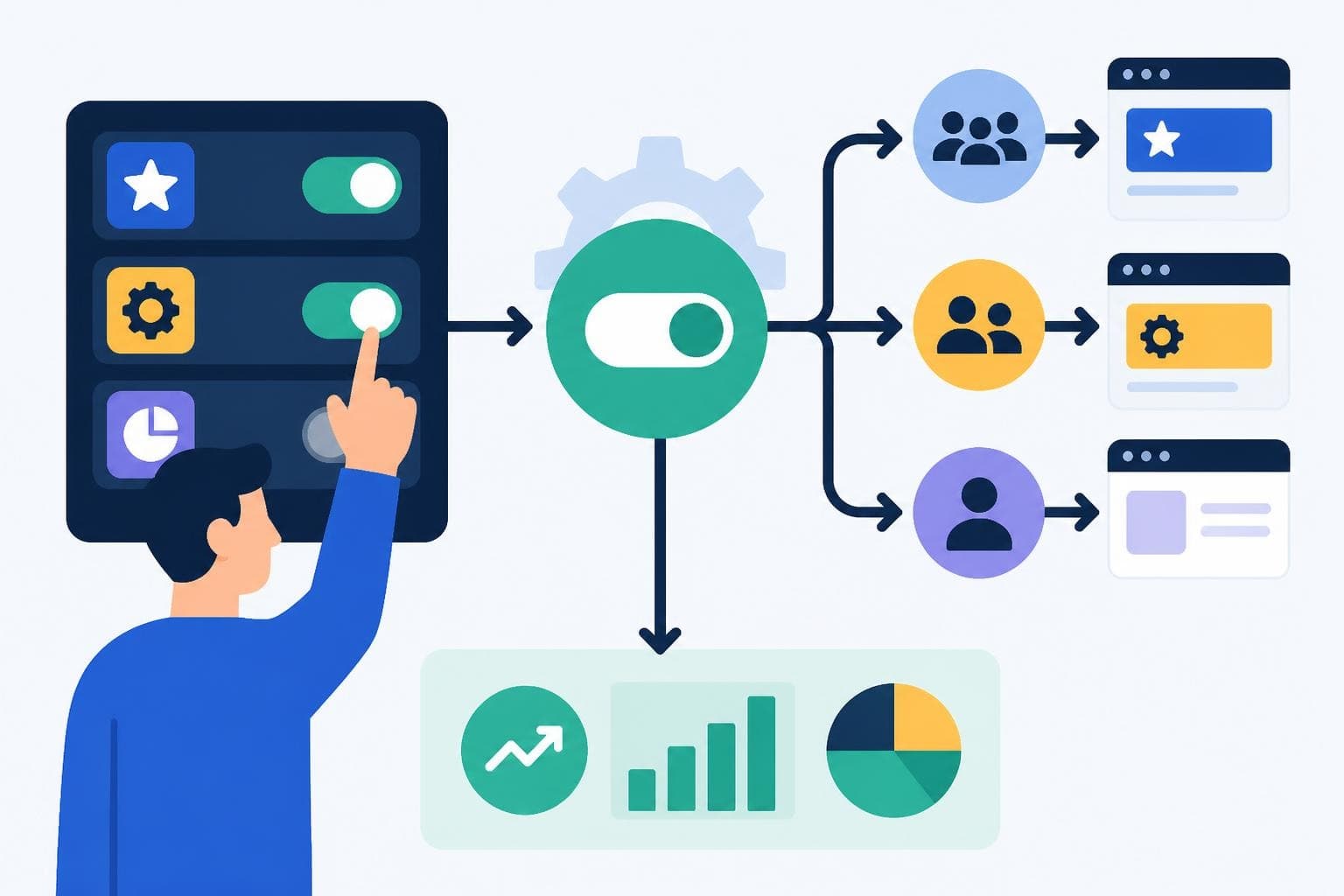
Modern software platforms for martial arts academies require constant evolution to meet changing needs. Gym owners need new capabilities for billing automation, attendance tracking, and student engagement, but rolling out these updates without disruption demands careful coordination. This is where features management becomes essential for delivering innovation while maintaining operational stability and user satisfaction.
Understanding Features Management in Martial Arts Software
Features management represents a systematic approach to controlling how new capabilities are developed, tested, and delivered to users. Rather than launching updates all at once to every academy, feature management enables software teams to gradually introduce functionality to specific user segments, measure impact, and refine implementation based on real feedback.
For martial arts academies using platforms like MatSync, this means new tools for student progress tracking or automated billing can be tested with a small group before widespread deployment. The approach minimizes risk, allows rapid iteration, and ensures that when features reach all users, they deliver genuine value.
Core Components of Effective Features Management
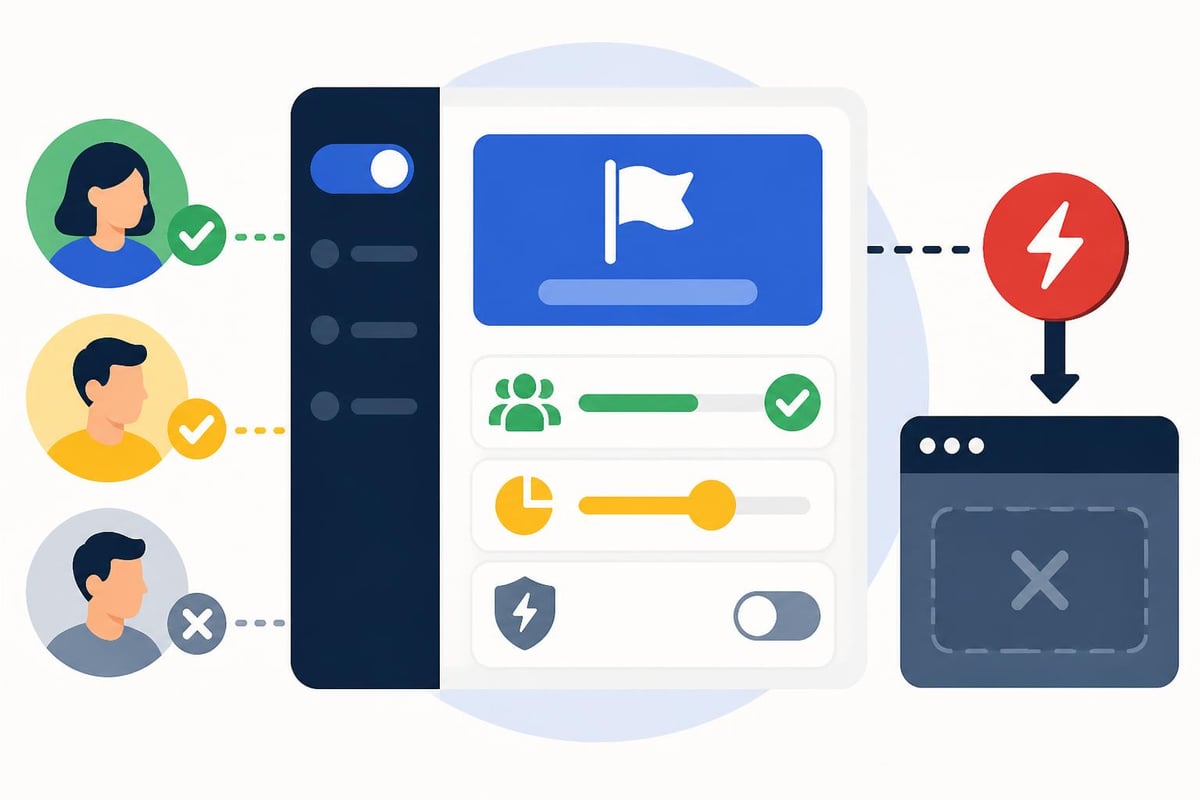
Feature flags form the foundation of modern features management systems. These toggles allow development teams to activate or deactivate specific capabilities without deploying new code. A flag might control whether academies see a new belt progression tracker or an enhanced payment reminder system.
Beyond simple on-off switches, sophisticated features management encompasses:
- Targeting rules that define which users receive specific features
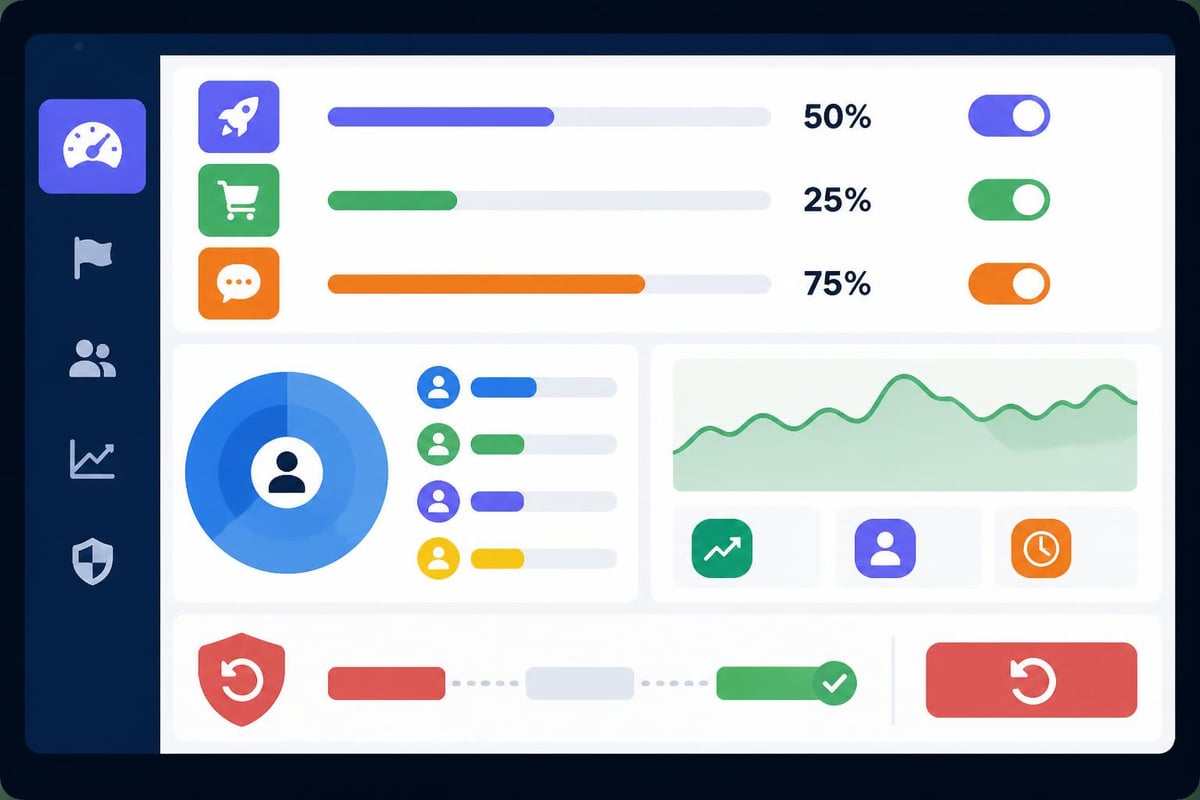
- Rollout strategies for gradual percentage-based deployment
- Analytics integration to measure feature adoption and impact
- Rollback mechanisms for quick deactivation if issues arise
- Audit trails documenting all feature configuration changes
The combination of these elements creates a controlled environment where innovation happens safely. Academy owners benefit from continuous improvements without experiencing the instability that comes from rushed deployments.
Strategic Implementation of Features Management
Planning Your Feature Release Strategy
Successful features management begins with clear planning around what capabilities matter most to your martial arts academy clientele. Software teams must prioritize features based on user demand, business impact, and technical feasibility.
| Release Strategy | Best Used For | Risk Level | Rollout Time |
|---|---|---|---|
| Big Bang | Minor updates, bug fixes | High | Immediate |
| Canary | New major features | Medium | 1-2 weeks |
| Percentage Rollout | Significant changes | Low | 2-4 weeks |
| Ring Deployment | Critical infrastructure | Very Low | 4-8 weeks |
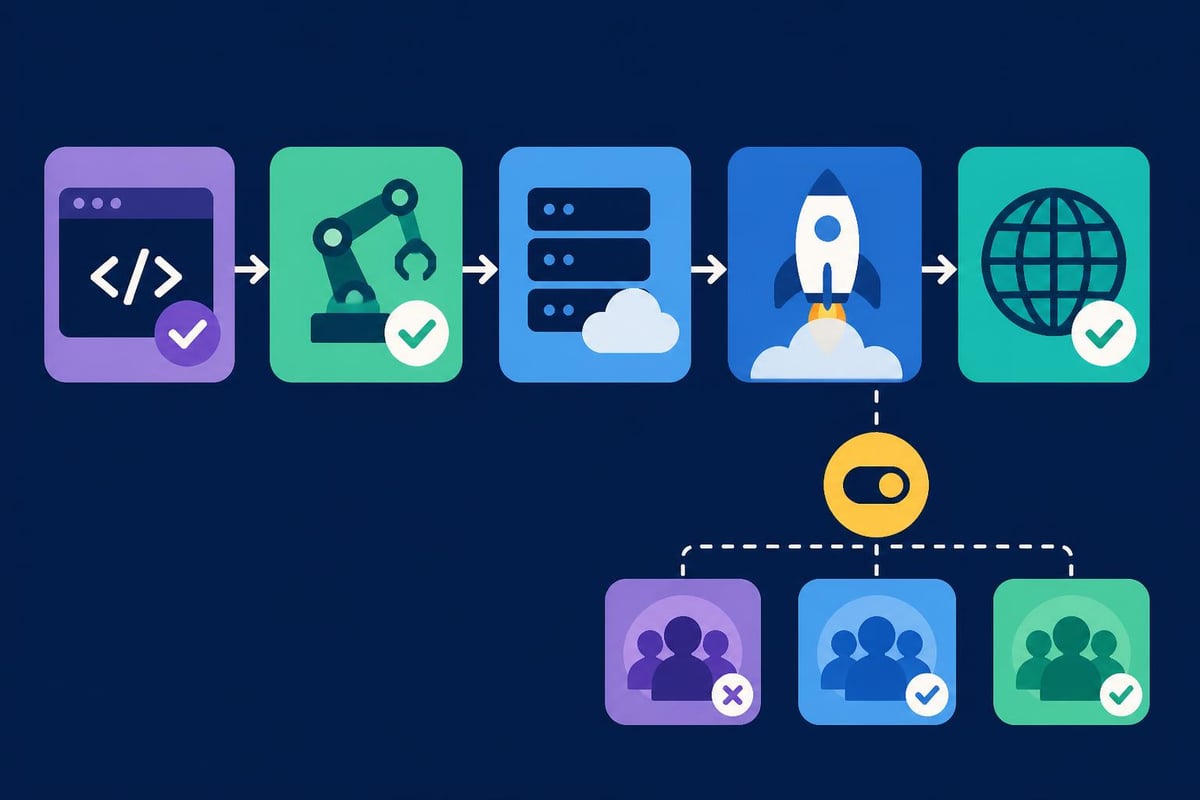
Canary releases prove particularly valuable for martial arts software. When introducing a new attendance system feature, deploy first to 5% of academies, typically those who have opted into beta programs. Monitor system performance, gather feedback, and gradually increase the rollout percentage.
This measured approach identified issues early. If a new real-time attendance software feature causes unexpected slowdowns, only a small subset experiences problems while the team implements fixes.
Managing Feature Lifecycles
Every feature progresses through distinct lifecycle stages, and effective features management requires tracking these phases systematically. New capabilities move from development through testing, partial rollout, full deployment, and eventually retirement.
Documentation becomes critical here. Teams maintaining features management systems should record:
- Feature purpose and business justification
- Target user segments and rollout schedule
- Success metrics and acceptance criteria
- Dependencies on other features or systems
- Retirement plan and timeline
Without proper lifecycle management, feature flags accumulate like technical debt. Organizations end up with hundreds of obsolete toggles cluttering their codebase, creating confusion and increasing system complexity. Best practices for managing feature flags emphasize regular cleanup and archival processes.
For platforms serving Brazilian Jiu-Jitsu academies, karate schools, and MMA gyms, this might mean maintaining separate feature sets for different martial arts disciplines while retiring capabilities that prove unpopular or redundant.
Technical Considerations for Features Management
Architecture and Infrastructure
Building robust features management requires thoughtful technical architecture. The system must deliver configuration decisions quickly without introducing latency that degrades user experience. Academy owners checking student attendance or processing payments cannot wait while the system evaluates complex targeting rules.
Local evaluation offers one solution. Rather than making network requests for every feature flag check, applications cache configuration locally and evaluate rules within the application itself. This approach dramatically reduces latency but requires synchronization mechanisms to keep configurations current.
Remote evaluation provides centralized control and instant updates across all instances. When a critical bug emerges in a billing feature, teams can disable it immediately for all academies without waiting for cache refreshes. The tradeoff involves slightly higher latency and dependency on network connectivity.
Most sophisticated features management implementations use hybrid approaches, combining local caching for performance with periodic synchronization for currency. This balance ensures that academy management software remains responsive while maintaining administrative control.
Integration with Development Workflows
Features management systems must integrate seamlessly into existing development processes. Developers need simple APIs for wrapping new code in feature flags, while product managers require interfaces for controlling rollouts without technical expertise.
Modern platforms provide:
- SDK libraries for multiple programming languages
- RESTful APIs for configuration management
- Webhooks for notifying external systems of changes
- Command-line tools for automation and CI/CD integration
These integration points enable features management to become a natural part of the development lifecycle rather than an additional burden. When building a new ranking system for judo or kickboxing programs, developers simply wrap the code in a flag and continue their normal workflow.
Business Benefits of Features Management
Risk Mitigation and Faster Recovery
Traditional software deployment creates significant risk. A bug in billing automation could prevent dozens of martial arts academies from processing payments, directly impacting revenue. Features management transforms this equation by enabling instant rollbacks without code deployments.
When issues emerge, teams simply toggle the problematic feature off. Academy operations continue normally using the previous stable version while developers investigate and fix the problem. This capability dramatically reduces mean time to recovery (MTTR) compared to traditional deployment rollback procedures.
Gradual rollouts further minimize blast radius. If a new student progress tracking feature causes problems, only the small percentage of academies in the initial rollout experience issues rather than the entire customer base.
Enhanced Testing and Quality Assurance
Features management enables sophisticated testing strategies that improve software quality. Teams can deploy code to production while keeping it hidden from users, allowing testing in realistic environments without artificial staging systems that never perfectly replicate production conditions.
Trunk-based development becomes practical when features management allows incomplete work to exist in production codebases safely behind feature flags. Developers merge code frequently to the main branch, reducing merge conflicts and integration challenges, while features remain invisible until ready.
Testing in production, controlled through features management, reveals issues that staging environments miss. Network latency, database load patterns, and integration behaviors differ between test and production systems. Enabling features for internal users first surfaces these problems before external customers encounter them.
Data-Driven Decision Making
Features management systems collect valuable data about how users interact with new capabilities. By tracking activation rates, usage patterns, and performance metrics, product teams make informed decisions about feature value and prioritization.
For martial arts software, this might reveal that academies teaching Muay Thai heavily use certain progress tracking features while boxing gyms prioritize different capabilities. These insights drive product roadmap decisions and resource allocation.
Feature experimentation methodologies take this further by enabling A/B testing of different implementations. Teams can deploy two versions of a billing reminder system, measure which drives better payment rates, and adopt the winning approach based on actual performance data rather than assumptions.
Operational Best Practices
Naming and Organization Standards
As features management systems grow, maintaining clarity requires disciplined naming conventions and organizational structures. Cryptic flag names like "flag_123" or "new_thing" create confusion months later when teams cannot remember what features control.
Establish clear naming patterns:
- Feature-based:
billing_automated_reminders,attendance_facial_recognition - Date-based:
q2_2026_progress_dashboard_redesign - Experiment-based:
experiment_payment_reminder_timing
Group related flags using tags or categories. Billing features, attendance features, and reporting features should be easily filterable. This organization helps teams understand dependencies and manage lifecycle stages effectively.
Communication and Documentation
Features management affects multiple stakeholders, from developers and QA engineers to product managers and customer support teams. Effective communication ensures everyone understands which features are active, for whom, and why.
Maintain accessible documentation that includes:
- Feature purpose and expected behavior
- Current rollout status and target completion
- Known issues or limitations
- Support escalation procedures
Customer support teams particularly need visibility into feature rollouts. When academy owners contact support about a capability they cannot find, representatives must quickly determine whether that feature has been enabled for that specific customer.
Monitoring and Observability
Features management systems themselves require monitoring to ensure reliability. Flag evaluation latency, configuration synchronization delays, and system availability directly impact application performance and user experience.
| Metric | Target | Alert Threshold |
|---|---|---|
| Flag Evaluation Time | < 1ms | > 5ms |
| Config Sync Delay | < 30s | > 2min |
| System Availability | 99.99% | < 99.9% |
| Active Flag Count | < 50 | > 100 |
Track these metrics alongside application performance data to understand how features management impacts overall system health. Sudden spikes in evaluation time might indicate inefficient targeting rules that need optimization.
Advanced Features Management Techniques
Multivariate Testing and Personalization
Beyond simple A/B tests, sophisticated features management enables multivariate experiments testing multiple variables simultaneously. A billing feature might vary reminder timing, message content, and delivery channel across different user segments to identify optimal combinations.
Personalization uses features management to tailor experiences based on user characteristics. Academies teaching different martial arts disciplines might see customized interfaces highlighting relevant features while hiding irrelevant capabilities. This targeted approach improves usability without fragmenting the codebase.
Dependency Management
Complex features often depend on other features or system components. A new analytics dashboard might require specific attendance tracking features to be enabled. Features management systems should track and enforce these dependencies automatically.
Dependency graphs visualize relationships between features, helping teams understand ripple effects when enabling or disabling capabilities. Before retiring a feature, teams can identify dependent features that might break, enabling coordinated updates.
Kill Switches and Circuit Breakers
Beyond standard feature toggles, kill switches provide emergency controls for critical system components. If payment processing experiences unusual error rates, automated circuit breakers can disable affected features, route traffic to backup systems, or throttle requests to prevent cascade failures.
These safety mechanisms prove invaluable during incidents. Rather than scrambling to deploy code changes under pressure, teams activate pre-configured kill switches to immediately mitigate problems while investigating root causes.
Choosing Features Management Tools
Evaluating feature flag management solutions requires considering multiple factors beyond basic functionality. The right platform depends on team size, technical sophistication, budget constraints, and integration requirements.
Key Evaluation Criteria
Scalability determines whether the platform handles your growth trajectory. A solution perfect for managing features across fifty martial arts academies might struggle at five hundred. Evaluate flag evaluation performance, configuration propagation speed, and pricing models that align with expansion plans.
Integration capabilities ensure the features management platform works with existing tools. Native SDKs for your programming languages, webhooks for CI/CD pipelines, and integrations with analytics platforms reduce implementation friction and maximize value.
User experience matters for both technical and non-technical users. Developers need clean APIs and comprehensive documentation. Product managers require intuitive interfaces for managing rollouts without developer intervention. Customer support teams benefit from read-only access to feature status information.
Several feature flag tools available in 2026 offer different strengths. Some excel at enterprise-scale deployments with complex governance requirements. Others prioritize simplicity and fast implementation for smaller teams. Match capabilities to your specific needs rather than selecting based solely on feature checklists.
Build vs. Buy Decisions
Organizations sometimes consider building custom features management systems rather than adopting third-party platforms. This approach offers maximum flexibility and control but incurs significant development and maintenance costs.
Custom solutions make sense when:
- Extremely specific requirements cannot be met by existing platforms
- Security or compliance constraints prevent third-party tools
- Existing infrastructure provides natural extension points
Most organizations benefit more from commercial or open-source platforms that provide battle-tested reliability and continuous innovation. The time saved by not building and maintaining infrastructure can be invested in developing features that directly serve martial arts academy customers.
Security and Compliance Considerations
Features management systems access sensitive configuration data and control application behavior, creating security implications that require careful management. Unauthorized access to feature flag controls could enable malicious actors to disable critical capabilities or expose unfinished features.
Access Control and Auditing
Implement role-based access control (RBAC) limiting who can modify feature configurations. Developers might have permission to create flags, while only product managers or senior leadership can control production rollouts. This separation prevents accidental or unauthorized changes.
Audit logging tracks all configuration changes, documenting who made modifications, when they occurred, and what values changed. These logs support compliance requirements, incident investigation, and operational transparency.
For platforms handling sensitive academy data like payment information or student personal details, features management systems must meet the same security standards as the applications they control. Encryption at rest and in transit, regular security audits, and vulnerability management protect configuration data.
Compliance and Data Privacy
Features management that involves user targeting based on personal characteristics must comply with data protection regulations. GDPR, CCPA, and similar frameworks restrict how personal information can be collected, stored, and used for decision-making.
Anonymized targeting using business characteristics (academy size, location, subscription tier) rather than personal identifiers reduces compliance complexity while still enabling sophisticated rollout strategies. When personal data becomes necessary, ensure proper consent mechanisms and data minimization practices.
Effective features management transforms how software platforms deliver value to martial arts academies by enabling controlled, data-driven rollouts that minimize risk while maximizing innovation. The practices outlined here help teams balance the need for continuous improvement with the requirement for operational stability, ensuring that new capabilities enhance rather than disrupt academy operations. MatSync applies these principles to deliver a reliable, continuously improving platform that helps martial arts academies automate billing, track attendance and progress, and maximize revenue through carefully managed feature releases that put academy needs first.